A child doesn't respond to his name: reasons, warning signs, and what parents can do
🤍 The child does not respond to his name - why is this happening?
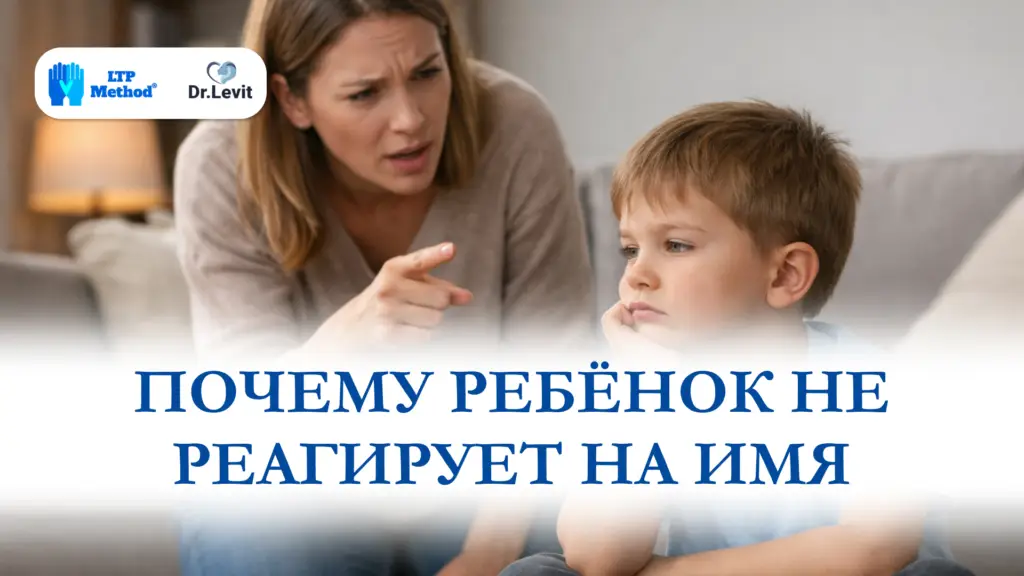
If a child doesn't respond to their name , it's one of the most common and alarming signs for parents. You call them, but they don't turn around, don't react, and act as if they can't hear.
Many people think that the child is ignoring or is simply carried away.
But in practice the child does not respond to the name most often not because of behavior, but because of the state of the nervous system.
🧠 Why a child doesn't respond to their name: the main reasons
🔹 Perception disorder
If a child does not respond to his name , he may physically hear the sound, but not perceive it as an appeal.
The name does not stand out among other sounds - it is “lost” in the general background.
🔹 Nervous system overload
When a child does not respond to a name , it may be due to overload:
- he "withdrew into himself"
- the response to external stimuli decreases
- contact is minimal
📌 This is especially common in cases of ASD, speech delay, and mental retardation.
🔹 No contact created
If a child does not respond to his name , it is important to understand that this is not just a skill.
This is an indication that:
- there is no stable contact
- the child is not included in the interaction
- it is difficult for him to react to people
🔹 Speech and communication delays
If a child does not respond to his name , perhaps the communication system itself has not been formed.
The name is part of the communication, and without it there will be no response.
🔹 Physiological reasons
Very often, when a child does not respond to his name , the reason is in the state of his body:
- bad dream 😴
- gastrointestinal problems
- vitamin deficiencies
- nervous system overload
👉 The body is overloaded - reactions are reduced
⚠️ When a child doesn't respond to their name, is this a warning sign?
Please note if:
- the child does not respond to his name after 10–12 months
- the child does not respond to his name even at home
- no eye contact 👀
- no interest in people
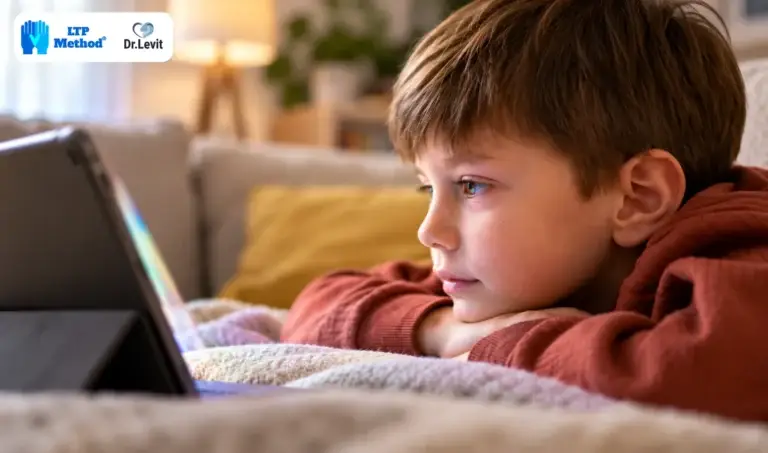
- There's a "descent" into cartoons 📺
📌 In such cases, it is important not to wait
📊 The child does not respond to his name: how to understand the reason?
| Situation | What does it mean |
|---|---|
| Sometimes doesn't respond to name | May be passionate |
| The child often does not respond to his name. | Difficulties in perception may occur |
| No look | Contact breakdown |
| Withdraws into himself | Overload |
| Reacts only to the screen | Ease of perception |
🚫 Why can't you just "force" a child to respond to a name?
When a child does not respond to his name , parents often:
- they start calling louder
- repeat the name many times
- require a response
But the problem is that
The child does not respond to his name not because he does not want to, but because he cannot.
✅ What to do if your child doesn't respond to their name
If a child does not respond to his name , it is important to work with the cause, not the symptom.
1. Restore the body's condition
If the child does not respond to his name , first you need to:
- improve nutrition
- restore the gastrointestinal tract
- normalize son
2. Remove overload
When a child does not respond to his name , it is important to reduce the number of stimuli.
3. Create a contact 🤝
And only after that:
- a look appears
- engagement is increasing
- the child begins to respond to his name
📈 When does a child begin to respond to his name?
If the work is going well:
- the first reactions appear after 2–4 weeks
- the child begins to respond to the name
- a look appears
- contact is intensifying
✨ This is not training - this is restoration of function
💡 Conclusion
If a child does not respond to his name , this is not a separate problem.
This is a signal.
And the solution lies in working with the body’s state, and not in trying to “train” the reaction.
📩 Free consultation
If your child does not respond to his name , does not make contact, or ignores calls,
👉 It's important to figure out the cause as soon as possible
Sign up for a consultation and receive a clear action plan.
❓ Frequently Asked Questions (FAQ)
Why doesn't the child respond to his name?
If a child doesn't respond to their name , it's most often not a behavioral issue, but rather a nervous system issue. The child may hear their name but not perceive it as a signal. This could be due to sensory overload, a disruption in communication, or a general health issue.
At what age should a child respond to his name?
Normally, a child begins to respond to his name at about 6–9 months.
If after 10-12 months the child does not respond to the name, this is a reason to pay attention and evaluate its development.
The child does not respond to his name - is this autism?
If a child doesn't respond to their name , this may be a sign of ASD, but this symptom alone is not a diagnosis. It's important to consider a combination of factors: contact, gaze, behavior, and speech development.
What to do if a child does not respond to his name?
If a child doesn't respond to their name , don't try to "force" them to respond. Important:
- assess the child's general condition
- improve sleep and nutrition
- reduce overload
- build contact
Only after this does a natural reaction appear.
Can a child not respond to his name because of cartoons?
Yes, if a child is constantly looking at screens 📺, this can exacerbate the problem.
But it is important to understand: cartoons are not the reason, but rather an environment in which it is easier for a child to be if he has difficulties perceiving the real world.
When should you contact a specialist?
If the child does not respond to his name and at the same time:
- no eye contact
- no response to the request
- there is a speech delay
- the child avoids interaction
👉 It's better not to wait and seek advice as soon as possible.