Dolphin-Assisted Therapy for Autism: Does It Really Help Children with ASD? 🐬
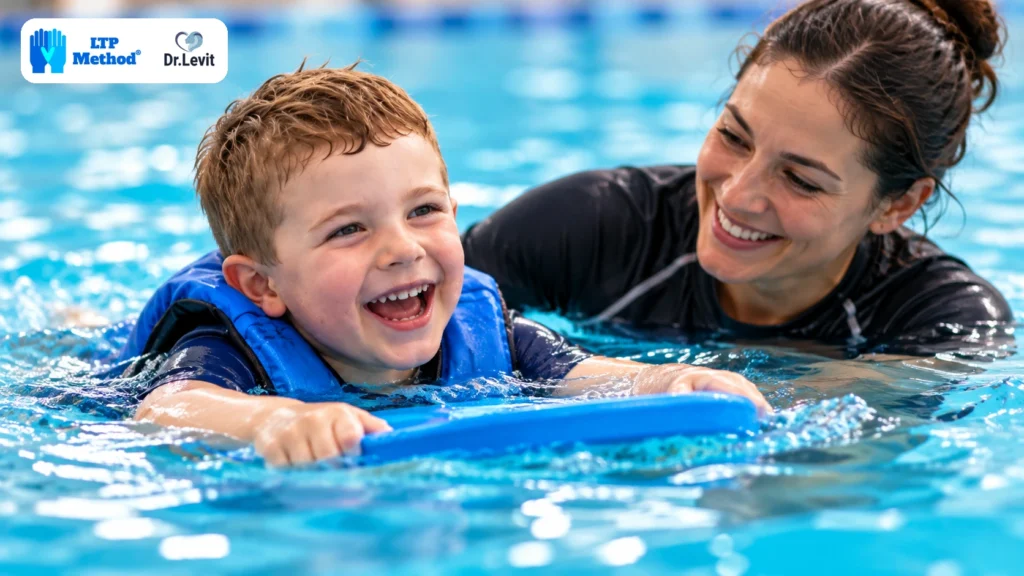
Dolphin-assisted therapy has been one of the most popular methods of complementary support for children with autism spectrum disorders (ASD) for many years. Beautiful photographs of smiling children in a pool, parents' stories of positive emotions, and specialists' promises of possible improvements in speech and behavior make many families wonder: could dolphins really help my child?
But how much does dolphin therapy actually impact a child with ASD? And can it address the underlying causes of the difficulties children with autism face?
🐬 What do dolphin therapy centers usually promise?
Most often, parents hear about the following possible outcomes:
✔️ improving the child’s emotional state;
✔️ reduction of anxiety and stress;
✔️ increased interest in the world around us;
✔️ improved concentration;
✔️ development of eye contact;
✔️ stimulation of speech activity;
✔️ reduction of unwanted behavior;
✔️ improved sleep;
✔️ Increased motivation to interact with adults and children.
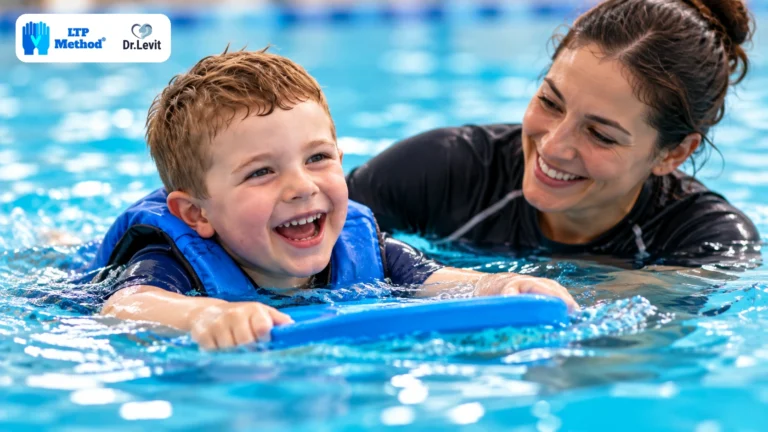
Of course, interacting with animals can bring positive emotions. For many children, swimming with dolphins is a memorable experience, evoking smiles, laughter, and a desire to repeat the experience.
However, it is important to understand that positive emotions and pleasant experiences do not always mean the elimination of the causes that led to the development of ASD symptoms.
🧠 Why is it important to look deeper with autism?
Autism spectrum disorder is more than just behavioral issues, speech problems, or communication difficulties.
In a large number of children with ASD, specialists and parents note concomitant disturbances in physiological processes:
🔹 chronic constipation or unstable stool;
🔹 pronounced selectivity in nutrition;
🔹 sleep disturbances and difficulty falling asleep;
🔹 increased sensory sensitivity;
🔹 vitamin and microelement deficiencies;
🔹 frequent infections and decreased immune protection;
🔹 signs of chronic inflammation;
🔹 Gastrointestinal disorders;
🔹 increased fatigue and behavioral instability.
Imagine the situation.
An adult hasn't slept well for several nights in a row, is experiencing stomach pains, and is feeling tired and irritable. At this point, he is asked to go on stage in front of a hundred people and recite a poem with expression.
Most likely, it will be extremely difficult to concentrate, remember the text and speak confidently.
Likewise, it is difficult for a child to master new skills, understand spoken language, establish contact and learn if his body operates in conditions of constant discomfort.
This is why, when working with children with ASD, many specialists believe it is important to pay attention not only to external manifestations, but also to the state of the body's physiological processes.
🐬 Can dolphin therapy impact physiological disorders?
Unfortunately, dolphin therapy is not capable of:
❌ normalize digestion;
❌ eliminate chronic constipation;
❌ correct vitamin and mineral deficiencies;
❌ stabilize metabolic processes;
❌ restore intestinal microbiota;
❌ influence chronic inflammation;
❌ solve the problem of severe food selectivity;
❌ independently initiate understanding of addressed speech.
Even if a child becomes calmer and happier after visiting the pool, this is often due to positive emotions, a change of scenery, physical activity, and an interesting experience.
A similar effect can be observed after visiting the zoo, horseback riding, a trip to the sea, or a favorite amusement park.
This can be a useful addition to a child's life, but it does not replace working with the body's basic processes.
🌿 What approach is used in the LTP method?
In the LTP method, it is considered important to first create conditions in which the child's body can function in a more balanced manner.
Work begins with the first stage of the program - nutritional stabilization.
It includes:
✔️ expansion of the diet;
✔️ training parents in special techniques for introducing new foods;
✔️ support of the gastrointestinal tract;
✔️ normalization of stool;
✔️ Reducing the food load on the body;
✔️ work on stabilizing sleep;
✔️ gradual reduction of factors that can increase the overload of the nervous system.
After this, vitamin support and parental training in communication skills, joint attention, understanding spoken language, developing everyday skills, and expanding the child's interactions with the outside world can be included.
🐬 Is it possible to attend dolphin therapy?
Конечно.
If a child loves water, enjoys interacting with animals, and enjoys visiting a pool, dolphin therapy can be a pleasant experience and a source of positive emotions.
But it is important to understand its real capabilities.
Dolphin therapy does not eliminate the causes of physiological disorders and cannot be considered as an independent method of recovery for a child with ASD.
Speech development, the emergence of interest in learning, improved communication and the reduction of behavioral difficulties often require consistent and comprehensive work that takes into account the functioning characteristics of the entire organism.
💙 Consultation for parents
If you want to understand the factors that may be affecting your child's condition, understand the possible causes of speech, behavior, feeding, or sleep difficulties, and learn more about the LTP method, you can schedule a consultation with specialists at Dr. Levit Clinic.
Sometimes the first changes begin not with searching for the next procedure, but with understanding the conditions in which the child's body operates today and what support it needs right now.